


Hey there! As a leather marking supplier, I've seen a lot of folks scratching their heads over how to adjust the depth of leather marking. It's a crucial aspect that can make or break the quality of your leather products. So, let's dive right in and explore the ins and outs of getting that perfect marking depth.
Understanding the Basics of Leather Marking Depth
First things first, why does the depth of leather marking matter? Well, it affects the visibility, durability, and overall aesthetic of the mark. If the mark is too shallow, it might fade over time or be barely noticeable. On the other hand, if it's too deep, it could damage the leather and make the product look unprofessional.
The depth of leather marking is influenced by several factors, including the type of leather, the marking method, and the equipment used. Different leathers have different densities and textures, which can affect how well they hold a mark. For example, full-grain leather is denser and more durable than split leather, so it might require a bit more pressure to achieve a deep mark.
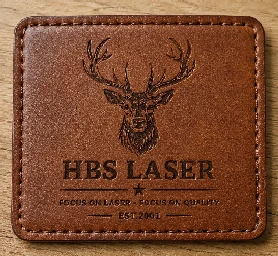
Different Marking Methods and Their Depth Adjustment
Laser Marking
Laser marking is one of the most popular methods for leather marking. It offers high precision and can create detailed marks. To adjust the depth in laser marking, you mainly need to play around with two settings: power and speed.
The power of the laser determines how much energy is applied to the leather. Higher power settings will burn deeper into the leather, creating a more prominent mark. However, if you set the power too high, you risk scorching the leather. So, it's a balancing act. You can start with a lower power setting and gradually increase it until you get the desired depth.
The speed of the laser also plays a role. A slower speed allows the laser to spend more time on each point of the leather, resulting in a deeper mark. Conversely, a faster speed will create a shallower mark. You can experiment with different speed settings to find the sweet spot for your specific leather and design.
Check out our Portable Water Cooling 3000W Laser Welding Machine which can also be used for high-quality leather marking with adjustable depth settings.
Dot Peen Engraving
Dot peen engraving is another effective method for leather marking. It works by using a stylus to strike the leather surface, creating a series of dots that form the mark. To adjust the depth in dot peen engraving, you can adjust the force of the strikes and the frequency.
The force of the strikes determines how deep each dot will be. You can usually adjust this on the control panel of the dot peen engraving machine. A higher force will create deeper dots, but again, you need to be careful not to damage the leather.
The frequency of the strikes also affects the overall depth of the mark. A higher frequency means more dots are created in a given area, which can make the mark appear deeper. You can test different frequency settings to see which one gives you the best results.
Our Hand - held Electric Marking Machine Dot Peen Engraving is a great option for those looking for a portable and easy - to - use dot peen engraving solution with adjustable depth features.
Heat Branding
Heat branding involves using a heated tool to burn a mark into the leather. To adjust the depth in heat branding, you need to control the temperature of the branding tool and the duration of contact with the leather.
A higher temperature will burn the leather more deeply, but it can also cause the leather to char or crack if it's too hot. You should start with a lower temperature and increase it gradually while testing on a scrap piece of leather.
The duration of contact is also important. The longer the branding tool is in contact with the leather, the deeper the mark will be. You need to find the right balance between getting a deep enough mark and not over-heating the leather.
Testing and Fine-Tuning
No matter which marking method you choose, it's essential to test on a scrap piece of leather before marking your actual product. This allows you to experiment with different settings and see how the leather responds.
You can start by making a series of test marks with different depth settings. Then, evaluate the results based on the visibility, durability, and aesthetic of the marks. Look for any signs of damage, such as cracking or charring.
Once you've found the settings that work best for your leather and marking method, you can fine - tune them further. For example, if the mark is still a bit too shallow, you can make small adjustments to the power, speed, force, or temperature until you get the perfect depth.
Conclusion
Adjusting the depth of leather marking is a skill that requires a bit of practice and experimentation. By understanding the factors that affect marking depth, choosing the right marking method, and using the appropriate equipment, you can achieve professional-looking results.
If you're in the market for leather marking equipment or have any questions about adjusting the depth of leather marking, don't hesitate to reach out. We're here to help you make the most of your leather marking projects. Whether you're a small - scale leather craftsman or a large - scale manufacturer, we have the solutions to meet your needs. Let's start a conversation and see how we can work together to take your leather marking to the next level.


