


Metal marking is a common practice used for various purposes such as identification, branding, and traceability. However, there are times when you might need to remove the metal marking. As a metal marking supplier, I understand the challenges and requirements associated with both applying and removing metal markings. In this blog, I'll share some effective methods to remove metal marking, along with insights into when and why you might need to do so.
Reasons for Removing Metal Marking
There are several scenarios where you might want to remove metal markings. One common situation is when a marking contains incorrect information. For example, a manufacturing batch number might be misprinted, or a product serial number could be entered incorrectly. In such cases, it's necessary to remove the old marking and apply a new, accurate one.
Another reason could be rebranding. If a company changes its logo or brand name, the existing metal markings on products or equipment may need to be updated. Removing the old markings allows for a fresh start with the new branding.
Additionally, in some industries, metal parts are reused or recycled. Before reuse, the old markings need to be removed to ensure that the part can be properly re - identified or re - marked according to its new use.
Methods of Removing Metal Marking
1. Mechanical Abrasion
Mechanical abrasion is one of the most straightforward methods for removing metal markings. It involves using abrasive materials to physically wear away the marked layer of the metal. Sandpaper, grinding wheels, and wire brushes are commonly used tools for this purpose.
When using sandpaper, start with a coarse - grit paper to quickly remove the bulk of the marking. Then, gradually move to finer - grit papers to smooth out the surface and minimize scratches. For example, you might start with 80 - grit sandpaper and work your way up to 220 - grit or even finer.
Grinding wheels are more suitable for larger areas or deeper markings. They can be used on a bench grinder or a handheld grinder. However, it's important to be careful when using grinding wheels as they can generate a lot of heat, which may cause the metal to warp or change its properties.
Wire brushes are also useful for removing light markings. They can be used manually or attached to a power drill. The bristles of the wire brush scrape away the marking, leaving the metal surface relatively clean.
2. Chemical Etching
Chemical etching is a method that uses chemicals to dissolve the marked area of the metal. Different metals require different etching chemicals. For example, for steel, hydrochloric acid or nitric acid can be used, while for aluminum, a solution of sodium hydroxide is often effective.

Before using chemical etching, it's important to take proper safety precautions. This includes wearing protective gloves, goggles, and working in a well - ventilated area. Apply the chemical solution to the marked area using a brush or by immersing the metal part in the solution for a specific period of time. The length of time depends on the depth of the marking and the type of metal.
After the etching process, rinse the metal thoroughly with water to remove any remaining chemicals. Then, neutralize the surface with a suitable neutralizing agent to prevent further corrosion.
3. Laser Cleaning
Laser cleaning is a modern and highly effective method for removing metal markings. It uses a high - energy laser beam to vaporize or ablate the marked layer of the metal. This method is precise, non - contact, and can be used on a wide range of metals and marking types.
The Hand Held Laser Cleaning Machine For Metal Rust Removal is a great tool for this purpose. It offers portability and ease of use, making it suitable for both small - scale and large - scale applications. The laser beam can be adjusted to control the intensity and depth of the cleaning, ensuring that only the marked layer is removed without damaging the underlying metal.
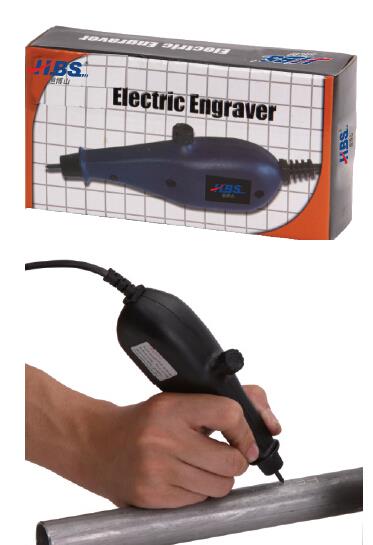
4. Electric Engraving Pen for Reverse Marking
An Electric Engraving Pen can also be used in a way to remove metal markings. Instead of creating a marking, you can use the pen to carefully abrade the marked area. This method is more suitable for small and detailed markings. The electric engraving pen allows for precise control, and you can gradually remove the marking layer by layer.
Considerations When Removing Metal Marking
- Metal Type: Different metals react differently to the removal methods. For example, soft metals like aluminum may be more easily damaged by mechanical abrasion, while hard metals like stainless steel may require stronger chemicals or higher - energy laser cleaning.
- Marking Depth: The depth of the marking also affects the choice of removal method. Shallow markings can often be removed with less aggressive methods such as sanding or using an electric engraving pen, while deeper markings may require laser cleaning or chemical etching.
- Surface Finish: After removing the marking, you may need to restore the surface finish of the metal. This could involve polishing, buffing, or applying a protective coating to match the original appearance of the metal.
Using the Right Equipment from a Reliable Supplier
As a metal marking supplier, I offer a range of high - quality equipment for both marking and removing metal markings. Our 20 Watts Portable Fiber Laser Marking Machine For Big Workpiece is not only great for marking large metal workpieces but can also be used in some cases for precise removal of markings.
If you're in the process of removing metal markings or need to apply new ones, it's important to choose the right equipment. Our products are designed to meet the highest standards of quality and performance, ensuring that you get the best results.
Contact Us for Your Metal Marking and Removal Needs
If you have any questions about metal marking removal or are interested in our products, I encourage you to reach out. Whether you're a small business looking to rebrand your products or a large manufacturing company in need of high - volume marking and removal solutions, we're here to help. Contact us to discuss your specific requirements and explore how our products can meet your needs.
References
- "Metal Finishing Guidebook" by George S. Brady
- "Laser Material Processing" by G. Chryssolouris


