


In the world of laser technology, CO2 lasers hold a significant position due to their versatility and wide range of applications. As a leading CO2 laser supplier, I'm often asked about the types of gases used in CO2 lasers. In this blog post, I'll delve into the gases that are vital for the operation of CO2 lasers, explore their functions, and shed light on why they matter.
Understanding the Basics of CO2 Lasers
Before we jump into the gases, it's important to have a fundamental understanding of how CO2 lasers work. A CO2 laser is a gas laser that generates infrared light at a wavelength of 10.6 micrometers. The laser operates by exciting a gas mixture within a sealed tube using an electrical discharge. This excitation causes the gas molecules to emit photons, which are then amplified through a process of stimulated emission to produce a coherent beam of laser light.
The Core Gas: Carbon Dioxide (CO2)
As the name suggests, carbon dioxide is the primary gas in a CO2 laser. It plays a central role in the lasing process. When energy is applied to the CO2 molecules, they absorb the energy and enter an excited state. As these excited CO2 molecules return to their ground state, they release photons of light with a specific wavelength, which is characteristic of the CO2 laser. The high concentration of CO2 molecules in the gas mixture is crucial for generating a strong and efficient laser beam. CO2 is not only abundant but also highly effective in converting electrical energy into laser light, making it the ideal choice for the core lasing medium.
The Supportive Role of Nitrogen (N2)
Nitrogen is another essential component in the gas mixture of a CO2 laser. It acts as an energy transfer agent. When the electrical discharge occurs, nitrogen molecules are first excited. These excited nitrogen molecules then transfer their energy to the CO2 molecules. This process helps to populate the upper energy levels of the CO2 molecules more efficiently, enhancing the overall efficiency of the laser. Nitrogen also helps to maintain the stability of the discharge within the laser tube by preventing the formation of unwanted plasma species.
The Stabilizer: Helium (He)
Helium is added to the gas mixture mainly for its cooling and stabilizing properties. During the operation of a CO2 laser, a significant amount of heat is generated. Helium has a high thermal conductivity, which allows it to efficiently remove heat from the laser tube. By cooling the gas mixture, helium helps to prevent overheating and ensures the stability of the laser output. Additionally, helium can help to reduce the density of the other gases in the mixture, which in turn can improve the uniformity of the discharge and the quality of the laser beam.
Other Trace Gases
In some cases, trace amounts of other gases may be added to the CO2 laser gas mixture to fine-tune its performance. For example, hydrogen may be added to reduce the formation of carbon monoxide (CO) within the laser tube, which can degrade the performance of the laser over time. Xenon can also be used as an additive to improve the efficiency and output power of the laser.
Importance of Gas Quality
The quality of the gases used in a CO2 laser is of utmost importance. Impurities in the gases can have a detrimental effect on the performance and lifespan of the laser. For instance, even small amounts of water vapor can cause corrosion within the laser tube and affect the efficiency of the lasing process. Therefore, high-purity gases are required to ensure optimal laser performance. As a CO2 laser supplier, we ensure that all the gases we use in our lasers meet the highest purity standards.
Applications of CO2 Lasers
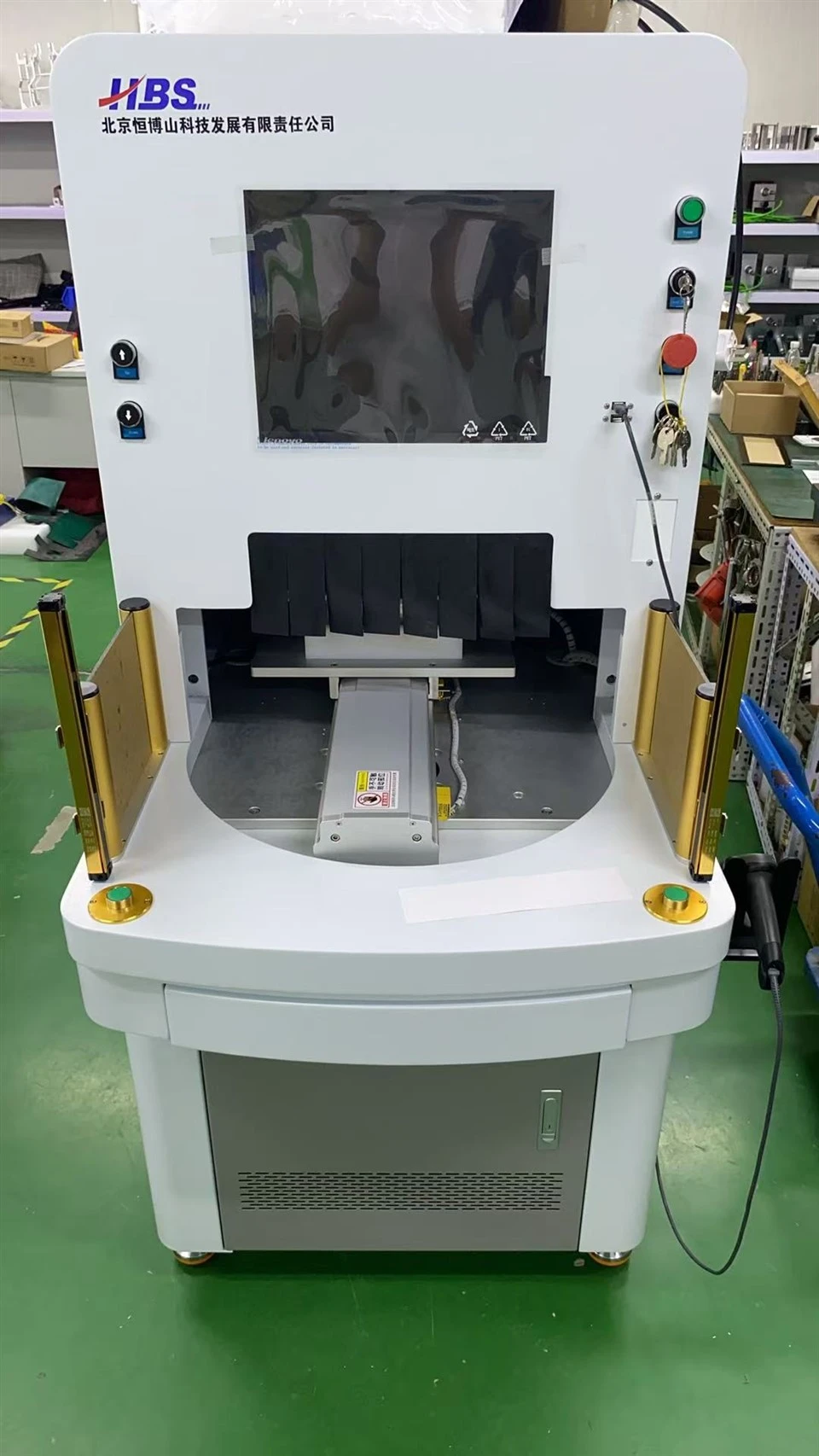
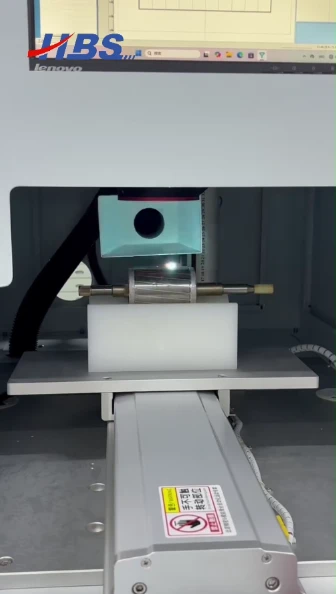
CO2 lasers are incredibly versatile and find applications in a wide range of industries. In the manufacturing sector, they are used for cutting, welding, and marking various materials, including metals, plastics, wood, and ceramics. Our Circular Axle Positioning Laser Marking Enclosed Machine and Portable High Efficiency Laser Welding Machine are examples of products that utilize CO2 lasers to provide high-precision and efficient manufacturing solutions.
In the medical field, CO2 lasers are used for surgical procedures due to their ability to cut and cauterize tissues with minimal blood loss. They are also used in dermatology for skin resurfacing and treating various skin conditions.
In the field of research and development, CO2 lasers are used for spectroscopy, material analysis, and other scientific experiments.
Our Product Range
At our company, we offer a diverse range of CO2 laser products to meet the needs of different customers. Our lasers are designed with the latest technology and the highest quality components to ensure reliable and efficient performance. In addition to the machines mentioned above, we also have the Handheld Laser Marking Machine With Dust Collector, which is ideal for on-site marking applications and provides a clean and efficient marking solution.
Why Choose Our CO2 Lasers
There are several reasons why customers choose our CO2 lasers. Firstly, our lasers are built with high-quality gases and components, ensuring long service life and stable performance. Secondly, we provide comprehensive technical support and after-sales service to help our customers solve any problems they may encounter. Thirdly, we offer competitive pricing to provide cost-effective solutions for our customers.
Contact Us for Procurement
If you're in the market for a CO2 laser for your specific application, we invite you to contact us for a procurement discussion. Our team of experts will be happy to understand your requirements and recommend the most suitable CO2 laser product for you. Whether you need a high-power laser for industrial manufacturing or a precision laser for medical applications, we have the right solution for you.
References
- Bass, M., et al. (Eds.). (2001). Handbook of Optics, Volume IV. McGraw-Hill.
- Silfvast, W. T. (2004). Laser Fundamentals. Cambridge University Press.
- Svelto, O. (2010). Principles of Lasers. Springer.


